

High-Quality Iranian Eggs for Bulk Import and Export
Eggs remain one of the most essential commodities in the global food market. Iranian eggs are highly regarded for their quality, consistency, and nutritional value. Businesses looking to import or export eggs benefit from understanding the production, supply, and certification processes in Iran. This guide walks you through the key aspects of sourcing, purchasing, and exporting Iranian eggs, offering insights that can help establish reliable trade connections and ensure seamless transactions.
Understanding the Value of Iranian Eggs
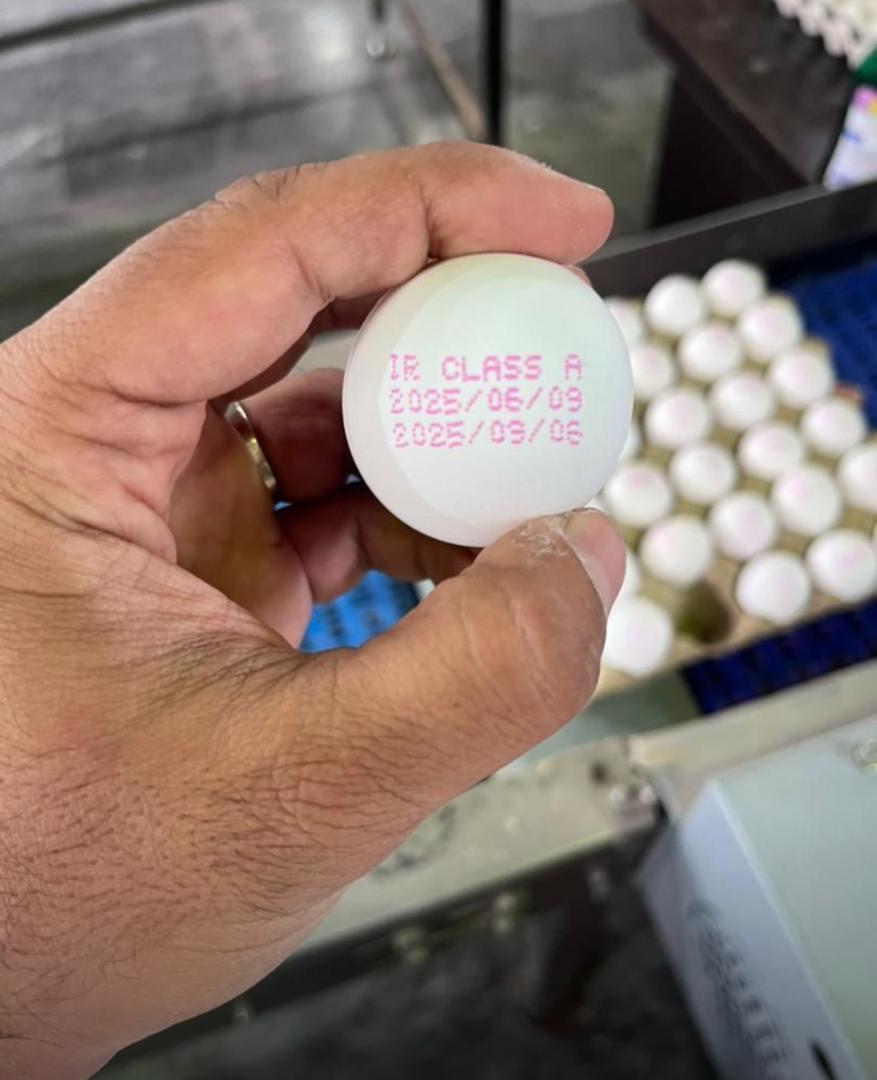
Iran produces millions of eggs each year to meet both domestic needs and international demand. The country’s egg manufacturing facilities follow strict hygiene protocols and maintain high-quality standards to ensure every batch is export-ready. Iranian eggs come in white, brown, and local varieties, all meeting precise quality specifications. This reliability appeals to global buyers who prioritize freshness, nutritional value, and extended shelf life.
Key Benefits of Iranian Eggs
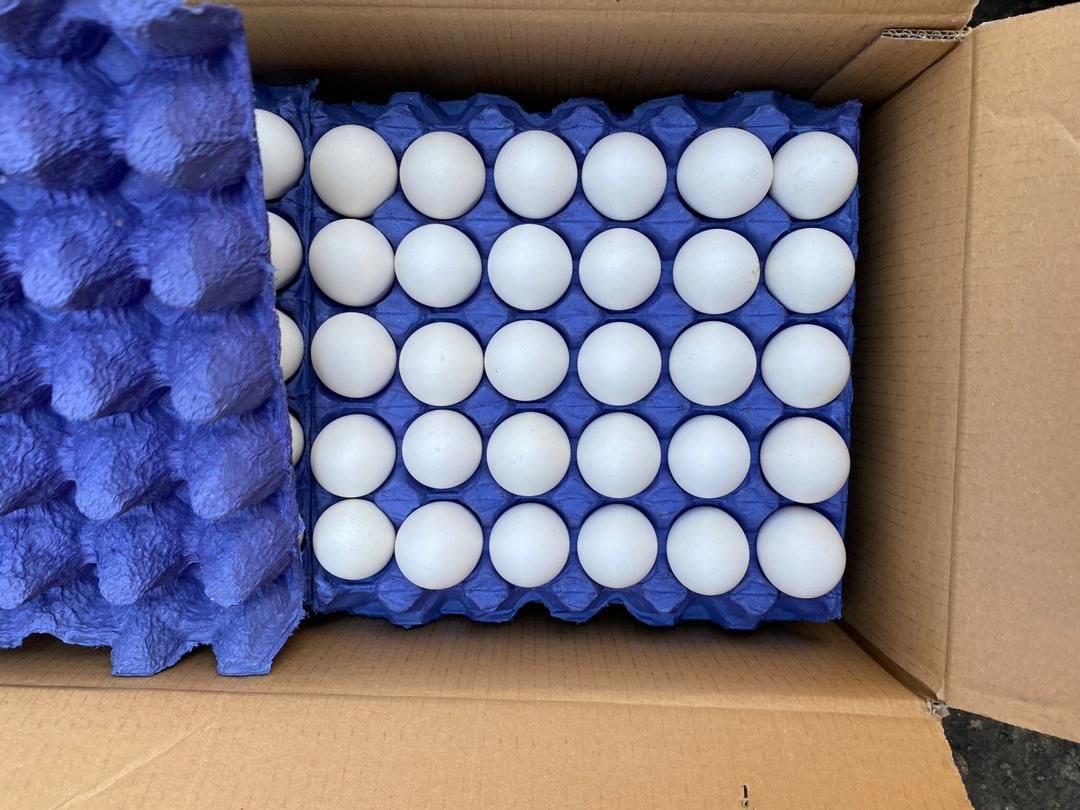
- Consistent Quality: Each egg is produced under controlled conditions, ensuring uniform size, color, and shell integrity.
- Nutritional Value: Eggs are rich in proteins, vitamins, and essential minerals, making them a healthy choice for consumers.
- Variety Options: Buyers can select from white, brown, or local eggs depending on market preferences and pricing strategies.
- Export-Ready Standards: Compliance with international regulations allows for smooth import into multiple countries without delays.
- Reliable Supply for Bulk Orders: Large-scale production ensures that importers can meet high-volume demand consistently.
Iranian Egg Prices and Market Dynamics
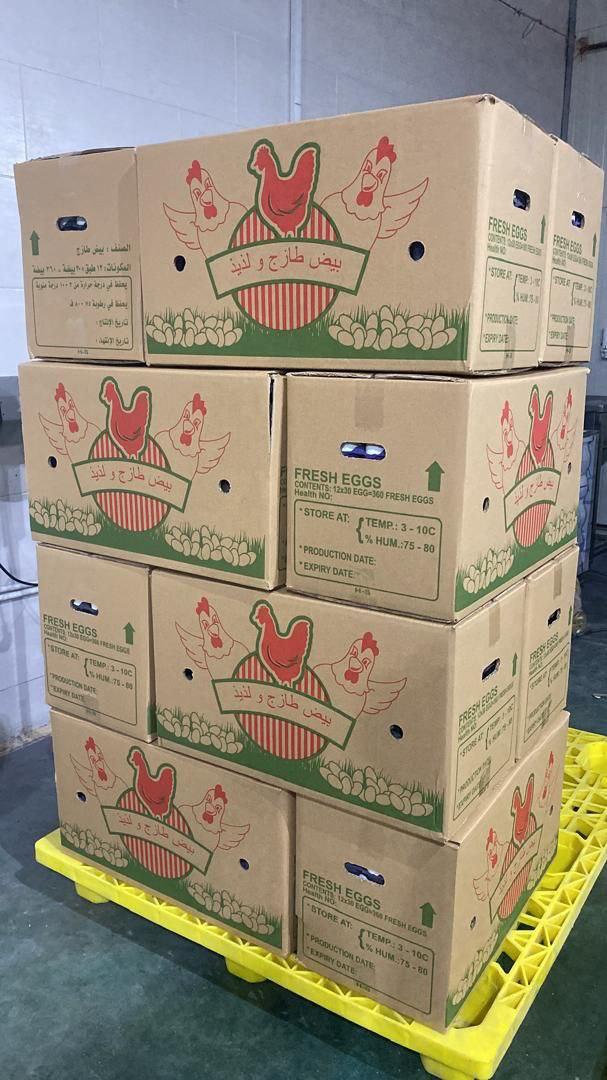
Pricing for Iranian eggs depends on several factors, including production scale, variety, and export logistics. White eggs generally hold competitive prices due to larger production volumes, while brown and local eggs may command slightly higher rates based on quality and regional preferences. Buyers can take advantage of Iran’s strategic geographic location to reduce shipping costs to Middle Eastern, African, and Asian markets. By understanding the market dynamics and pricing trends, businesses can plan procurement efficiently and avoid unnecessary costs.
Egg Manufacturing Facility and Production Capacity
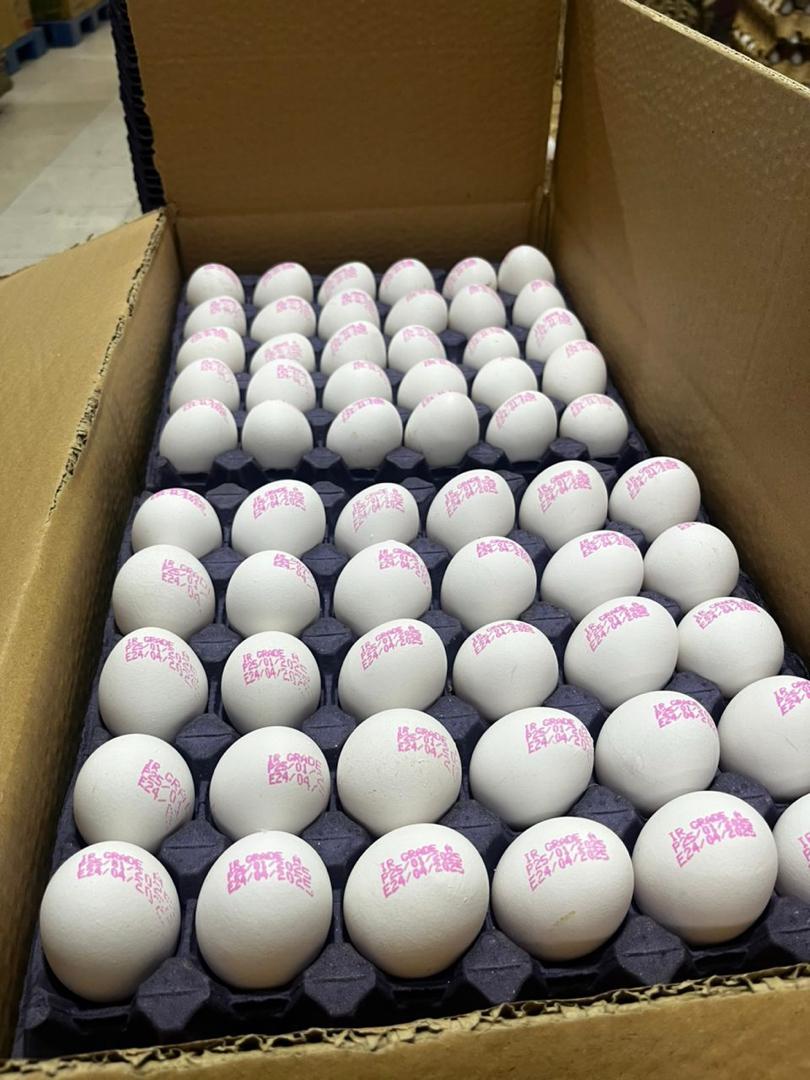
- Modern Production Facilities: Equipped with automated lines to streamline egg collection, sorting, and packaging.
- Climate-Controlled Storage: Maintains optimal temperature and humidity to preserve egg freshness and quality.
- Consistent Quality Control: Regular monitoring ensures eggs meet hygiene and export standards.
- Large-Scale Production Capability: Top facilities can produce millions of eggs per month, supporting bulk orders.
- Reduced Contamination Risks: Advanced equipment and hygiene protocols minimize the chance of spoilage or infection.
- Verified Production Schedules: Buyers should confirm production capacity and delivery timelines before placing bulk orders.
- Flexible Order Fulfillment: Facilities can adjust output to meet seasonal demand or special export requirements.
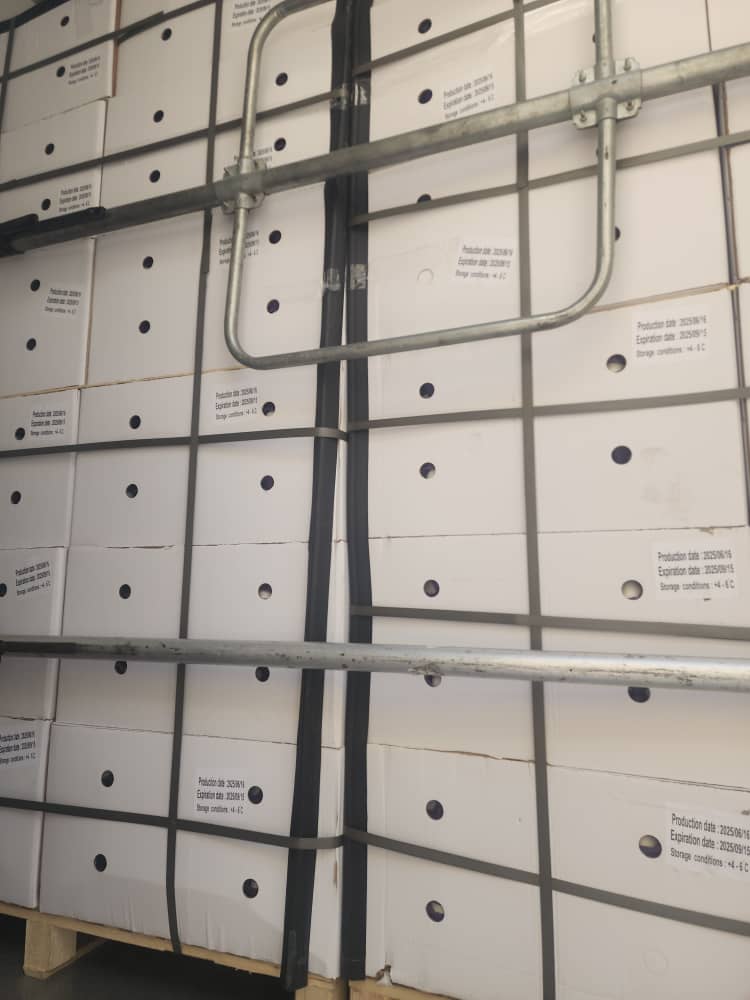
Trusted Egg Supplier for Bulk Orders
Establishing a relationship with a trusted egg supplier is critical for successful import or export operations. Reputable suppliers in Iran provide transparent information about egg quality, packaging standards, and export readiness. Some of the leading exporters offer direct client support, documentation for customs clearance, and flexible shipping options. This level of reliability helps minimize risks in international transactions and ensures compliance with import regulations in destination countries.
Exporting Iranian Eggs to International Markets
- Verify Supplier Certifications
- Confirm Hygiene Compliance
- Select Proper Packaging
- Coordinate with Reliable Logistics Partners
- Understand Export Regulations
- Plan Shipping Routes and Timelines
- Prepare Documentation
- Monitor Quality During Transit
Production and Export Standards and Certifications
Iranian egg exporters maintain certifications such as ISO 9001 and ISO 22000, demonstrating adherence to international quality management and food safety standards. These certifications provide buyers with assurance regarding the consistency, hygiene, and traceability of eggs. Ensuring that suppliers hold the correct certifications is essential for successful transactions and regulatory compliance in global markets.
Types of Iranian Eggs: White, Brown, and Local
White eggs are widely produced and often used in bulk exports, while brown eggs attract premium pricing due to consumer preference in certain regions. Local varieties may offer unique flavor profiles and appeal to niche markets. Understanding these distinctions allows buyers to select eggs that align with their target market requirements and customer preferences.
FAQ
What is the best way to import eggs from Iran?
Buyers should identify certified suppliers, verify production capacity, and ensure compliance with destination country regulations. Coordinating with logistics partners simplifies customs clearance and transport.
Which countries import Iranian eggs?
Middle Eastern nations such as Iraq, UAE, Oman, and Qatar are primary importers. Demand is growing in parts of Africa and Asia due to the quality and competitive pricing of Iranian eggs.
What certifications should Iranian egg suppliers have?
ISO 9001 and ISO 22000 are essential. These certifications guarantee international standards for food safety, quality management, and hygiene are met consistently.
